




To check corruption, justice system needs revamping: Ex Bengaluru top cop Bhaskar Rao
He says corruption in Karnataka’s police force stems from weak leadership, monetised postings, and systemic flaws across the entire criminal justice system.
.jpg)
-
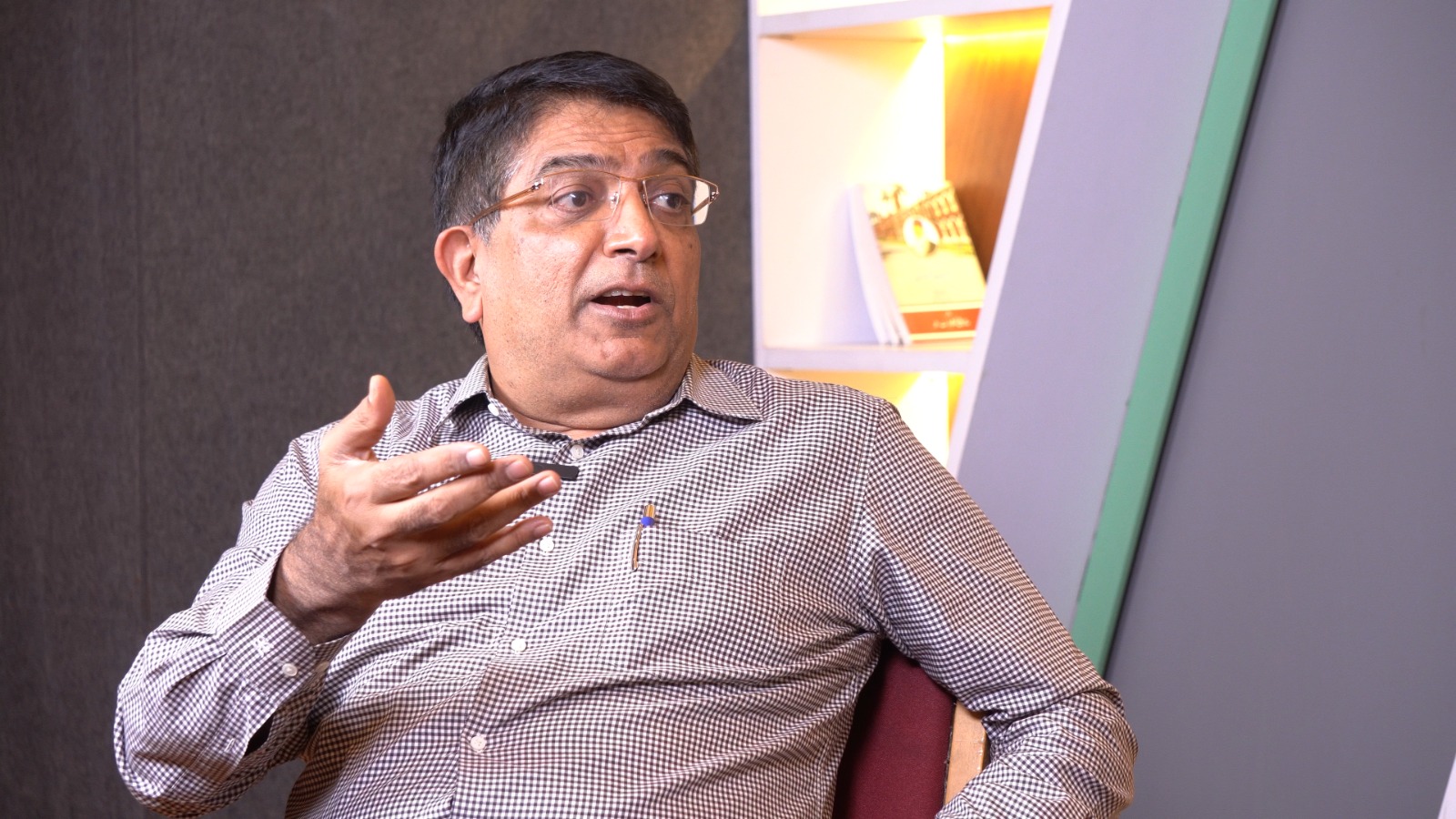
Former Bengaluru police commissioner and BJP spokesperson Bhaskar Rao (Salar)
Bengaluru, 6 Dec
In recent months, over 120 police personnel in Karnataka have been suspended on charges of corruption and misconduct. In an exclusive conversation, former Bengaluru police commissioner and BJP spokesperson, Bhaskar Rao, speaks candidly about why such cases persist, the deep-rooted systems that encourage corruption, and why meaningful reform remains elusive.
Q. We’re seeing frequent suspensions and corruption cases in the police force. Why do such incidents keep increasing instead of reducing?
A. It’s shameful. The 124 cases you saw are only the reported ones; the actual number is five or six times higher. Everything depends on leadership. If the leadership is weak, corruption grows, just like poor housekeeping attracts filth. When the environment is dirty, insects come. Only a strong leader can keep the system clean. If political leaders misuse the police, force them into wrongdoings, or push them beyond limits, the consequences inevitably surface. And many cases are never even reported.
Q. By leadership, do you mean political leadership or senior police leadership?
A. Both. Commissioners and department heads are part of the government machinery. In many cases, postings are purchased. If someone pays money to be posted to a station, they will try to recover it through illegal means. Some manage it without getting caught, others get exposed. The corruption chain runs from top to bottom.
Q. We often hear that even small tasks, traffic violations, shop inspections, even post-mortem reports attract bribes. Why is this so widespread?
A. Bribery has made the police insensitive. But remember, a constable taking ₹100 looks big because he deals directly with citizens. Much bigger deals happen inside the stone walls of Vidhana Soudha - crores exchanged, decisions fixed. When officers compete for postings by offering “so many lakhs or crores,” they have no choice but to recover that money from the public. Case registration, NCRs, post-mortems - everything becomes monetised.
Q. Did this happen during your tenure as Commissioner as well?
A. Yes, of course. But I did not post those officers; seniors and the government control postings at that level. When postings are bought, loyalty becomes questionable. My job was to maintain law and order, and I had to manage political pressure, and still run the show.
Q. What about custodial deaths in jails, police harassment, and brutality?
A. Harassment stems from the need to recover money or from low pay. Custodial deaths were more common earlier. Today, technology, CCTV, mobile data, and GPS have improved detection and reduced the need for physical interrogation. Brutality happens because officers are constantly dealing with repeated offenders and negative situations. Over time, they become hardened.
Q. Why are marginalised communities overrepresented in jails?
A. Because of inequality, lack of education, poor legal support, and inability to hire good lawyers. The rich rarely face the same consequences. They commit white-collar crimes, manipulate systems, and get away. Poor people get trapped in petty cases and cannot defend themselves.
Q. Videos from prisons show inmates getting alcohol, phones, and luxury items. What is happening inside jails?
A. Only 1% enjoy such luxuries - those who can pay. They bribe prison staff for food, clothes, phones, and alcohol. But remember, police have nothing to do with prisons. Once judicial custody begins, the judicial department takes over.
Q. So the entire criminal justice system needs reform?
A. Absolutely. Police investigation, trials, prosecution, and correctional facilities all need an overhaul. Trials take years; conviction rates are low. We lack judges, prosecutors, and investigators. Justice must be faster.
Q. During Covid 19, allegations were made against you about permitting certain activities for bribes. What do you say now?
A. Those allegations were false. I told the Chief Minister to remove me if they were true. He overruled them. Even the Deputy Chief Minister later realised he had acted on hearsay. As for the leaked phone conversation, it was recorded and made viral by someone I trusted. That’s all.
Share Now

Other Stories
.jpg)
.png)
.png)
.png)
.png)

.jpg)
