Belagavi village launches State’s 1st ‘Two-Hour Digital Detox’
Halaga has become Karnataka’s first village to adopt a daily two-hour digital detox to help students focus on studies.
PTI
-
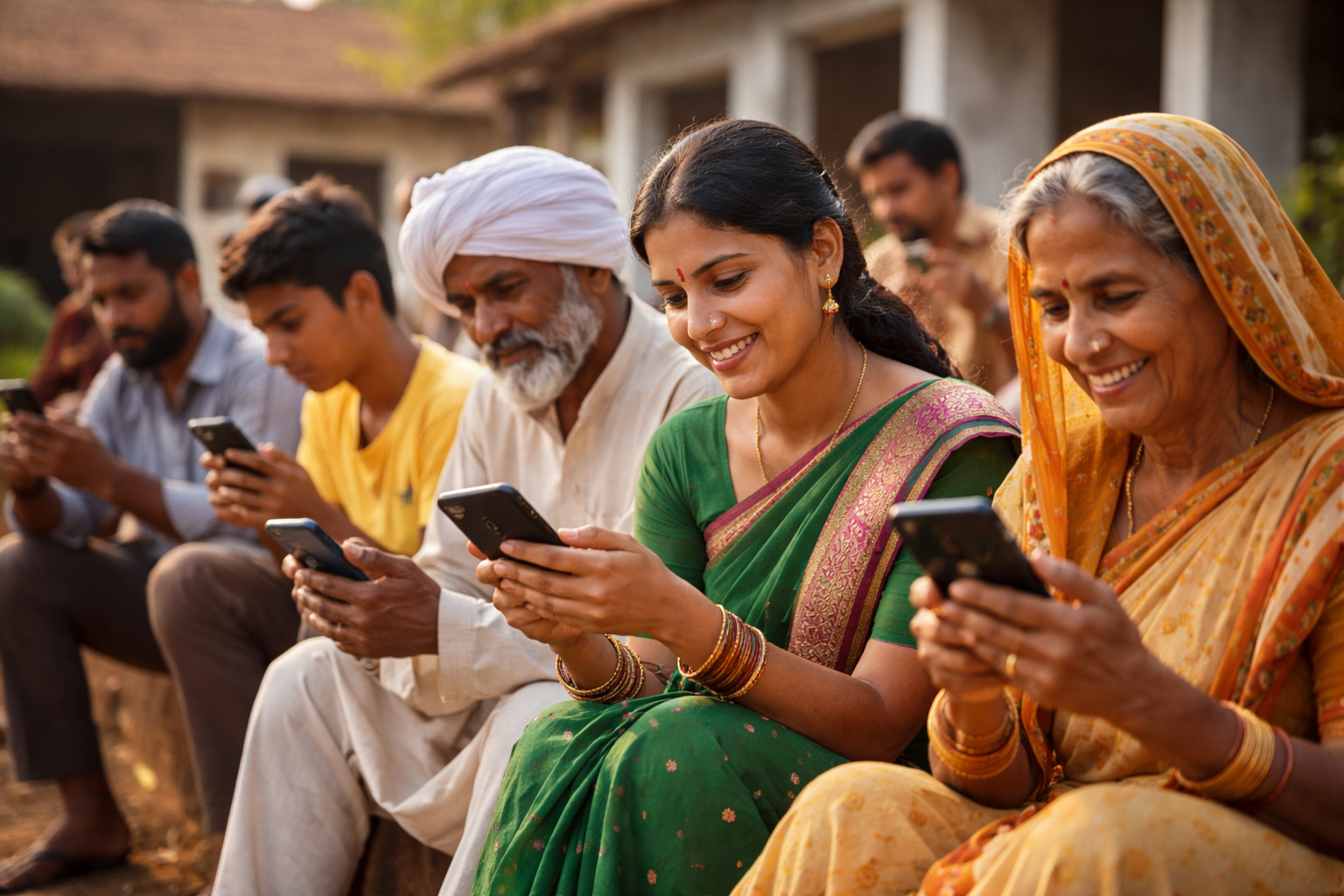
A siren at 7 pm marks screen-off time in Halaga village (Salar)
Belagavi, 21 Dec
At exactly 7pm everyday, a siren sounds across a Belagavi village, signalling the start of a daily two-hour “digital detox”. Within moments, television screens go dark, mobile phones are put aside, and homes fall unusually quiet not by enforcement, but by collective choice.
Residents of the Halaga village – which has a population of about 12,000 people – unanimously agreed to the initiative, inspired by the success of similar ideas in Maharashtra.
Located opposite the Suvarna Vidhan Soudha and about 14km from Belagavi city, Halaga has become the first village in Karnataka to adopt a structured, village-wide digital detox aimed at improving students’ academic focus, encouraging family conversations, and strengthening social bonding.
The initiative, titled “No TV, No Mobile, Just Study and Conversation,” was formally inaugurated by Gram Panchayat President Lakshmi Gajapati by sounding the siren. Former Gram Panchayat president Ganpat Marihalkar said the move reflects the village’s long-standing commitment to education.
“Our intention is simple to prioritise academic study, which is increasingly affected by excessive screen time. At present, a manual siren is used, but an automatic siren with a timer will be installed soon,” Marihalkar said.
He said the Gram Panchayat spends nearly Rs 2.5 lakh annually from its own funds to strengthen the village’s two government schools.
Facilities such as a playground, compound wall under MGNREGA (now VB G-RAM-G), science rooms, and computer labs have been developed. Local MLA Laxmi Hebbalkar has also supported the installation of digital boards for smart classes, he added.
“Avoiding screens has become the need of the hour. Teachers have been asked to impress upon students the importance of following the initiative at home, and volunteers will take rounds during the screen-off hours,” Social worker Anil Shinde said.
Explaining the timing, Shinde said many rural households have limited space, forcing children to study in rooms where televisions are on. “The 7pm to 9pm slot is prime time for TV serials. By switching off screens during this window, we are giving children a fair chance to focus”.
Halaga was inspired by Agran Dhulgaon village in Sangli district, Maharashtra, which gained national attention for a similar experiment. Following its success, Mohityanche Vadgaon in Sangli district and Mangaon village in Kolhapur district have also adopted screen-free evening initiatives.
Share Now

Leave a Reply
Your email address will not be published. Required fields are marked *
Other Stories