IIMB launches study on 25 years of water governance in India
The study traces water governance reforms from Gujarat in 2001 to national initiatives after 2014.
PTI
-
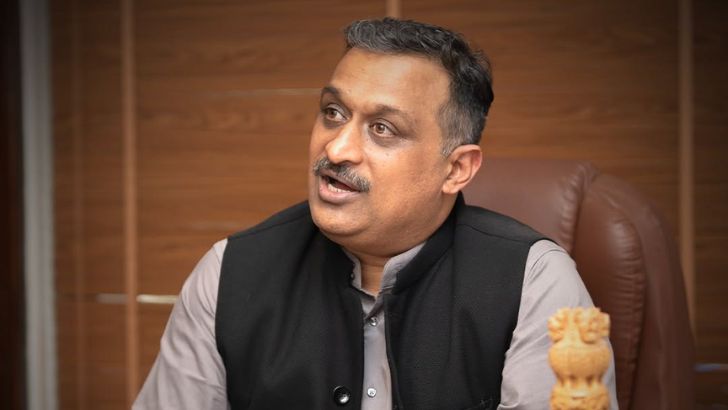
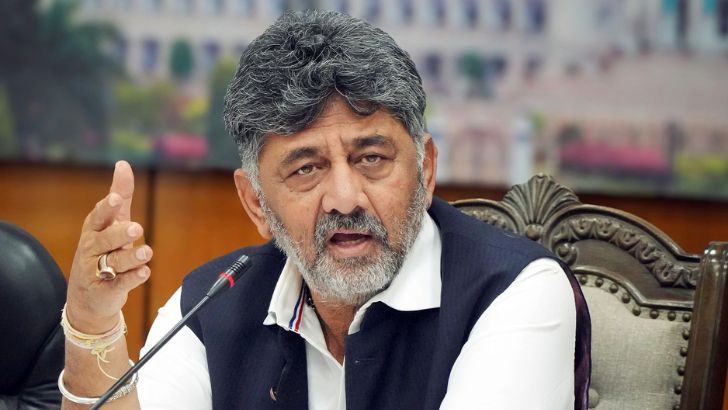
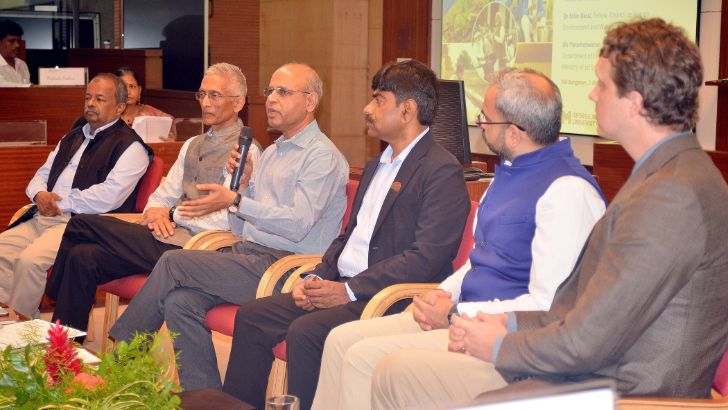
The study concludes that water security is as much a governance challenge as an engineering one (ANI)
Bengaluru, 7 October
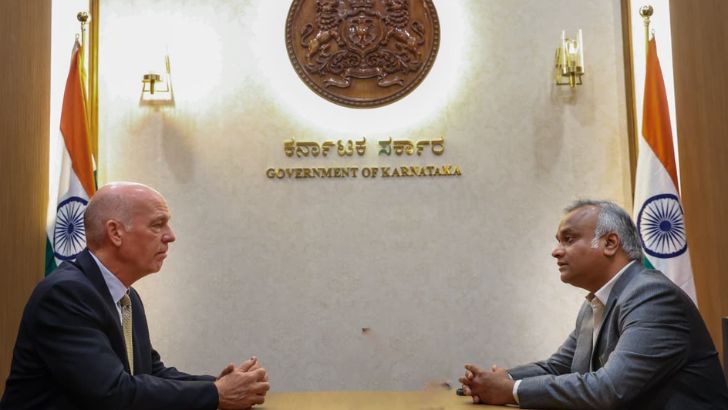
A new case study, 'From Gujarat to India: Water Lessons for the World', documenting the evolution of water governance in Gujarat and India between 2001 and 2026 was launched at IIM Bangalore on Wednesday, highlighting lessons for policymakers and practitioners across the Global South.
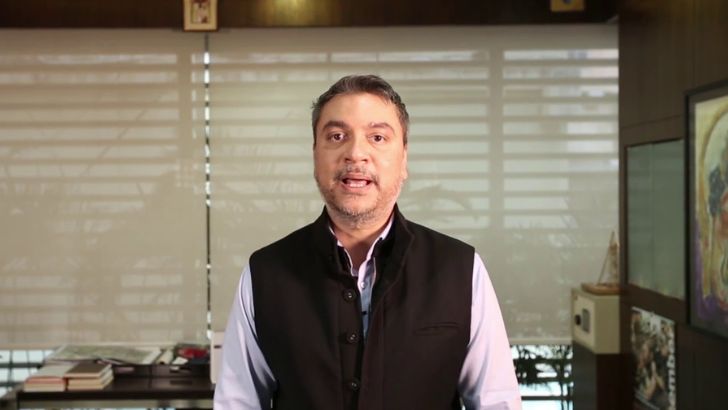
Daniel W Smith, assistant professor at George Mason University; Nitin Bassi, fellow at the Council on Energy, Environment and Water (CEEW); and Parameswaran Iyer, former secretary of the Department of Drinking Water and Sanitation, Government of India, authored the study, IIMB said, in its statement.
According to the statement, the study traces a 25-year journey that began in Gujarat in 2001, when recurrent drought and water scarcity led to a combination of large-scale infrastructure, groundwater recharge, conservation, improved water-use efficiency, institutional reform, and community participation.
It describes Gujarat's water governance reforms between 2001 and 2014 as a laboratory for approaches later scaled nationally after 2014, it said.
Gujarat’s response combined the Narmada-based water grid with institutions such as WASMO and village-level Pani Samitis, alongside large-scale water conservation and groundwater recharge. By 2013, the state had constructed more than 76,000 check dams under the Sardar Patel water conservation programme, it said.
In 2019, the creation of the Ministry of Jal Shakti provided a consolidated institutional framework for drinking water, sanitation and water-resource management.
A central conclusion of the study is that water security is as much a governance challenge as an engineering challenge, it said.
Share Now

Leave a Reply
Your email address will not be published. Required fields are marked *
Other Stories