




Karnataka: CM asks EC to extend SIR period after 1 cr face deletion
Shivakumar warned that genuine voters, including migrants, elderly people and those temporarily away from home, could be left off the rolls without adequate time to respond.
PTI
-
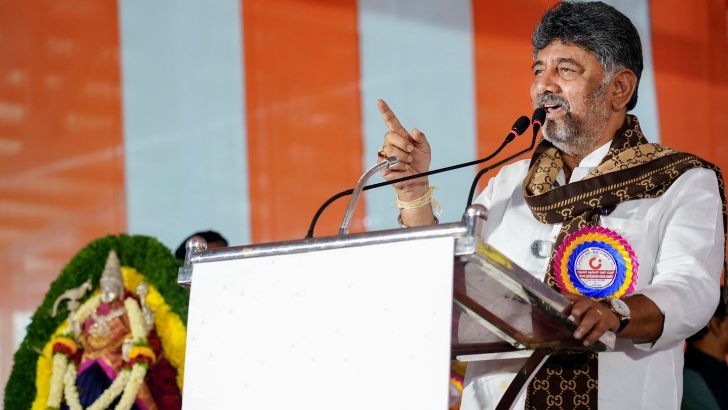
The Chief Minister said around 43.8 lakh electors could receive notices over logical discrepancies or missing links to the 2002 electoral rolls (PTI)
Bengaluru, 25 August
Chief Minister DK Shivakumar on Tuesday appealed to Chief Election Commissioner Gyanesh Kumar to extend the period for claims and objections following the placement of 1.08 crore electors in the Absent, Shifted, Dead, Duplicate and Others (ASDDO) category during the Special Intensive Revision (SIR) of electoral rolls.
He said adequate time should be provided to ensure that no eligible citizen is excluded from the rolls.
In a letter to Kumar, Shivakumar said that of Karnataka’s 5.54 crore electors, nearly one in five had been placed in the ASDDO category.
Following publication of the draft rolls on 24 August, verification notices are expected to be issued to about 43.8 lakh electors whose records have “logical discrepancies” or could not be linked to the 2002 electoral rolls, he said.
In Bengaluru alone, 46.88 lakh electors have been placed in the ASDDO category, Shivakumar said, adding that around 1.5 crore voters in the State could face deletion unless they submit claims for continuation or fresh inclusion.
He said many voters classified as absent could be genuine electors who were away from home for work, health or other legitimate reasons when Booth Level Officers (BLOs) visited. Similarly, those who had shifted polling stations were not given an opportunity to submit enumeration forms at their new residences.
Shivakumar urged the Election Commission to extend the claims and objections period, noting that no election is due in Karnataka in the near future.
He also sought directions to District Election Officers to convene Ward Committee meetings in urban areas and Gram Sabhas in rural areas.
He said the proposed 45-day period for issuing notices and disposing of cases involving logical discrepancies and missing links to the 2002 roll was “highly compressed”.
He said giving electors about a week to respond, followed by a second notice, could burden working people, migrants and the elderly, particularly when documents or travel are required.
Shivakumar sought three to four weeks for each elector to respond and submit documents, ensuring a meaningful opportunity to establish eligibility.
Share Now

Leave a Reply
Your email address will not be published. Required fields are marked *
Other Stories


.jpg)
.jpg)
