Monkey fever kills 1 in Karnataka
KFD is a viral haemorrhagic fever caused by a virus belonging to the Flaviviridae family.
Salar News
.png)
-
The virus is transmitted to humans through the bite of ticks (Freepik)
Shivamogga, 28 Jan
A
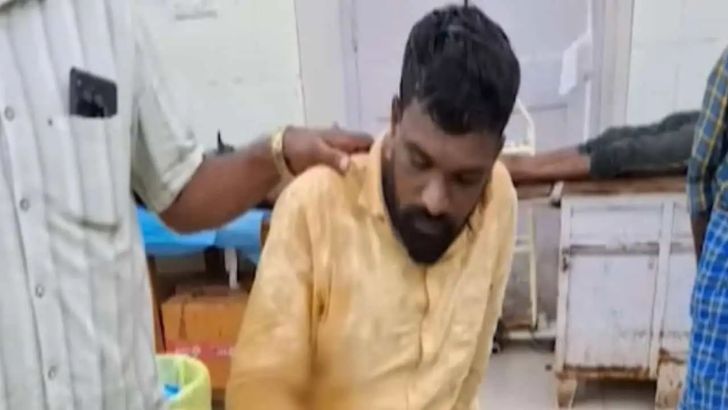
24-year-old man from Thirthahalli taluk in Shivamogga district has died of a
suspected case of Kyasanur Forest Disease (KFD) or monkey fever, triggering
fresh concern in Karnataka’s Malnad region.
KFD is a viral haemorrhagic fever caused by a virus belonging to the Flaviviridae family.
The virus is transmitted to humans through the bite of ticks. The
disease in endemic to southwestern India.
The man,
a resident of a plantation area near Kattehakku, died while undergoing treatment at a private hospital in Mangaluru on Wednesday. This is the first
suspected KFD-related death to be reported in the State this year, though
laboratory test results are awaited.
The
patient had been reportedly unwell for nearly a week and was initially admitted
to a private hospital in Thirthahalli. As his condition worsened, he was
referred to Mangaluru for advanced care.
Shivamogga
deputy commissioner Prabhuling Kavalikatti said that the health authorities
have been asked to step up surveillance, preventive measures and medical
preparedness in areas bordering forests.
Meanwhile,
Uttara Kannada district health officer Neeraj BV said KFD cases are typically
recorded during the summer months. However, less rainfall in 2025 and a more
intense summer this year may have contributed to its increased severity.
“Most of
the affected persons live in hamlets located deep inside forest areas. Several
such hamlets in Uttara Kannada, many of which lack proper transportation
facilities, are being covered by medical personnel for treatment and
monitoring,” he said.
The
tick-borne disease claimed nine lives and infected 100 others in Uttara Kannada
in 2025.
The
Health Department has advised people who enter forest areas for livelihood activities
to apply tick-repellent oil to prevent tick bites.
Share Now

Leave a Reply
Your email address will not be published. Required fields are marked *
Other Stories