How a digital transaction tax will squeeze India’s middle class
A proposed 0.4 per cent MDR on UPI transactions above ₹2,000 could ultimately push costs onto consumers, argues Rajya Sabha MP Mansoor Ali Khan.
.jpg)
-
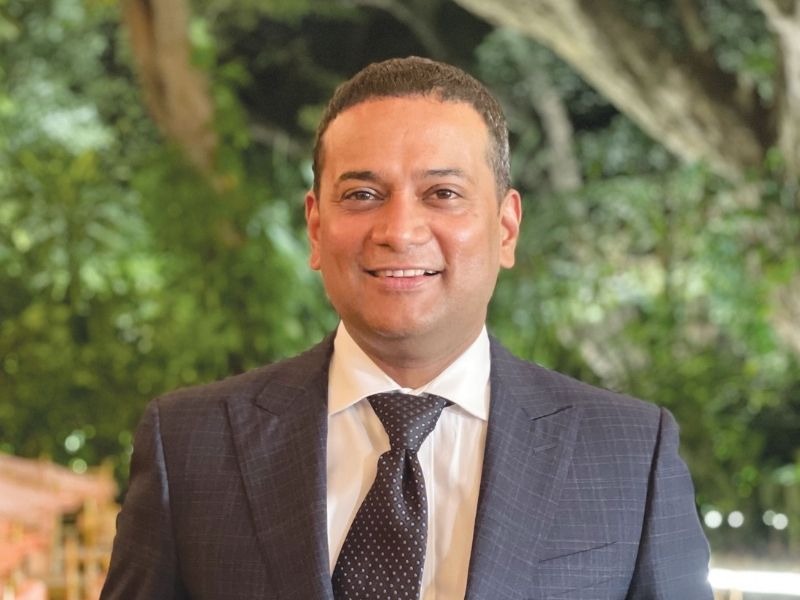
The proposed UPI charge risks making digital payments more expensive for consumers and small businesses, according to the author (Canva)
Over the past few years, whether I was walking through the tech corridors of Mahadevapura in Bengaluru, chatting with small vendors in Shivajinagar, or travelling across rural Kerala, one line was repeatedly hammered into public consciousness: "India's digital payment revolution belongs to the common man."
From grand press conferences in New Delhi to glossy government hoardings across our cities, we were told that the Unified Payments Interface (UPI) was an equaliser - a public good engineered to liberate the middle class and micro-entrepreneurs from high banking fees and digital middleman commissions. Citizens took the government at its word. From monthly rent and grocery runs to emergency medical bills and school fees, ordinary Indians willingly transformed their daily financial habits in good faith.
In August 2026 alone, our nation recorded an astonishing 24 billion UPI transactions worth over $311 billion.
Now, the mask has come off.
Recent reports confirm that the Union Government, through the Reserve Bank of India and the National Payments Corporation of India, has initiated consultations with commercial banks and payment gateways to levy a Merchant Discount Rate (MDR) - leaning toward a 0.4 per cent charge - on UPI transactions exceeding ₹2,000.
Call it MDR if you like. For the middle-class consumer who eventually bears the cost, it will function much like another transaction tax.
The ₹2,000 Illusion
The government will predictably defend this policy by claiming that payments under ₹2,000 remain "free" and that the 0.4 per cent charge will be borne by merchants, not consumers.
The distinction sounds neat on paper. In the real economy, it is much harder to sustain.
A threshold of ₹2,000 in today’s economy does not capture "luxury" transactions; it captures basic, routine monthly expenses of every salaried home in India. Consider what costs more than ₹2,000 today. From weekly groceries and utility bills to school fees, medical care, and house rent, every routine middle-class expense inevitably crosses the ₹2,000 mark.
To suggest that a 0.4 per cent fee on transactions above ₹2,000 will only hurt big businesses is fundamentally dishonest.
When a local retailer, a private clinic, or a neighbourhood vendor is slapped with a 0.4 per cent fee on every transaction over ₹2,000, what will they do? They will pass that cost directly onto the end consumer by inflating retail prices or charging a "digital handling fee".
If a merchant cannot pass the cost on, they will simply refuse digital payments and demand cash. The very digital ecosystem built on the sweat and trust of the Indian consumer will be pushed back into the shadows of an informal cash economy.
Corporate Gain at the Citizen’s Expense
Experts say this new fee will funnel a massive ₹5,000 to ₹10,000 crore every single year straight out of our pockets and into the bank accounts of giant financial firms and payment app companies. And big banks are set to grab the biggest slice of that pie.
Why is the government acting like a recovery agent for rich corporate entities at the cost of regular citizens?
We, the taxpayers, paid to build UPI in the first place. They told us it was free to get us all hooked and move us away from cash. Now that we are all using it for everything and are dependent on it, they want to flip the switch and charge us a toll just to use our own money. It’s a classic trap: promise it’s free, get everyone on board, and then start and then put a price on that dependence.
A Direct Threat to Middle-Class Savings
The Indian middle class is already fighting squeeze from every side: stagnant real wages, high indirect taxes under GST, persistent food inflation, and shrinking returns on traditional savings.
When you add a transaction tax on digital payments, you are punishing the very financial discipline the government once claimed to champion. Whether it is a salaried employee paying rent and school fees or a small business operating on razor-thin margins, both will see their hard-earned money drained by hidden surcharges and intermediary profits.
Technology should serve the people, not extract tolls from them for participating in the formal economy. UPI succeeded precisely because it operated as a non-discriminatory public utility - just like public roads and water infrastructure.
As a Member of Parliament, I promise to fiercely oppose this move.
We must keep UPI completely free, fund its infrastructure through central budgets rather than squeezing taxpayers, and ensure digital inclusion is never compromised by financial penalties.
The government cannot build a digital economy on the backs of hardworking citizens only to erect a tollgate once everyone is inside. It is time to roll back these proposed fees and protect the financial dignity of India's middle class.
Mansoor Ali Khan is the Member of Parliament in the Rajya Sabha.
Share Now

Leave a Reply
Your email address will not be published. Required fields are marked *
Other Stories



.jpg)