How citizens bore the brunt of a noisy Kanwar Yatra
Videos shared online showed residents, motorists and pedestrians struggling with loud music and traffic jams during the processions.
Salar News
-
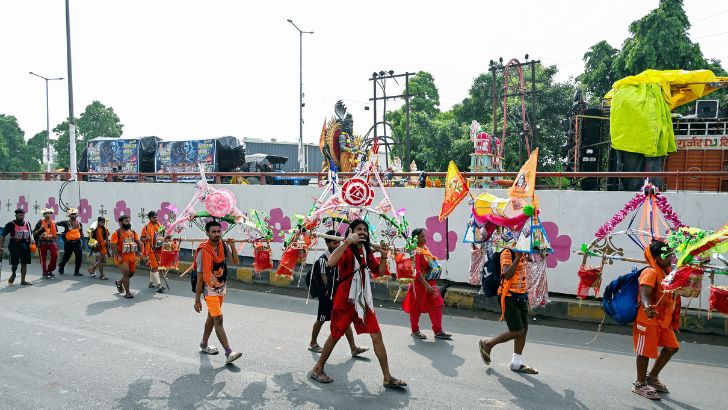
The complaints have renewed questions over enforcement of India’s noise pollution rules during religious processions (ANI)
Bengaluru, 10 August
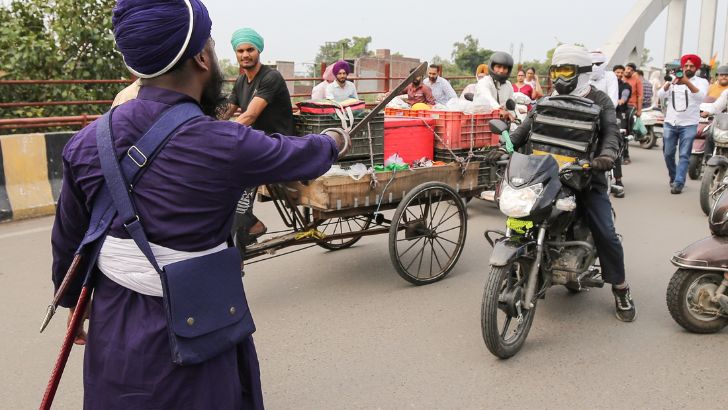
The recent Kanwar yatra saw netizens take to social media to complain about the loud noise and traffic jams from Kanwariya processions across the country. The Kanwar Yatra, devoted to Lord Shiva, concluded on 11 August. While this was a journey of faith for most, some used this occasion to inconvenience people with loud music.
An emotional video on X showed a woman in Uttar Pradesh pleading with authorities to check the noise pollution from a Kanwariya procession near her neighbourhood. She said the loud noise was scaring people like her elderly father, who is a Parkinsons' patient, and that girls are feeling unsafe walking past the processions.
Another user posted a video of a traffic jam with an ambulance carrying a sick child, while a Kanwariya procession is seen blasting music next to it. Many users complained of their houses vibrating due to the loud music. Sound levels reached 110 decibels, severely surpassing residential legal limits of 45–55 dB.
Another video showed pedestrians and motorists closing their ears as music booms from a DJ truck, a hot favourite among Kanwariyas.
The Supreme Court in 2005 had said that rules regulating the use of loudspeakers were not related to "any religion or religious practices" but based on the legal principle that "freedom from noise pollution is a part of the right to life under Article 21 of the Constitution".
The Government of India had also enacted the Noise Pollution (Regulation and Control) Rules, 2000, under the Environmental Protection Act, 1986. The rules ban loudspeakers from being used between 10pm and 6am, and includes provisions for penalties.
Even Bharatiya Nyaya Sanhita (BNS) 2023 treats noise pollution as a public nuisance.
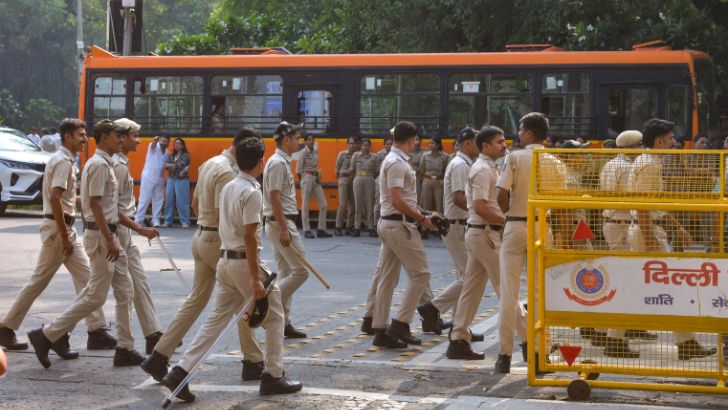
However, there is little or no action taken when it comes to religious processions and events, including Kanwariya processions. Some interventions have ended up in assaults too. On 10 August, police officer Prakash Mandal was assaulted in Bokaro, Jharkhand, by a Kanwariya youth when he tried to get a truck carrying a DJ setup to move along, after it caused a traffic snarl.
The tensions caused by the loud music highlight the contrast between religious tradition and civic realities in India. In a country as pious as India, perhaps the clash is inevitable, but when laws fail to protect citizens, where do they go?
Share Now

Leave a Reply
Your email address will not be published. Required fields are marked *
Other Stories

.jpg)