Why 20 rebel TMC MPs chose to merge with NCPI over BJP
NCPI's obscurity offered TMC rebels a safer exit while allowing the BJP to gain support from a distance.
PTI
-
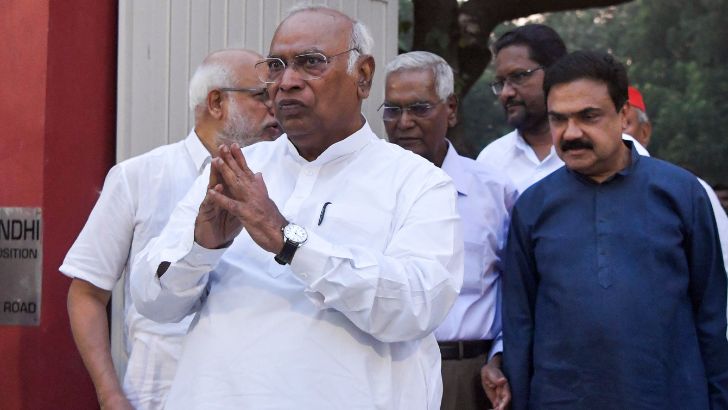
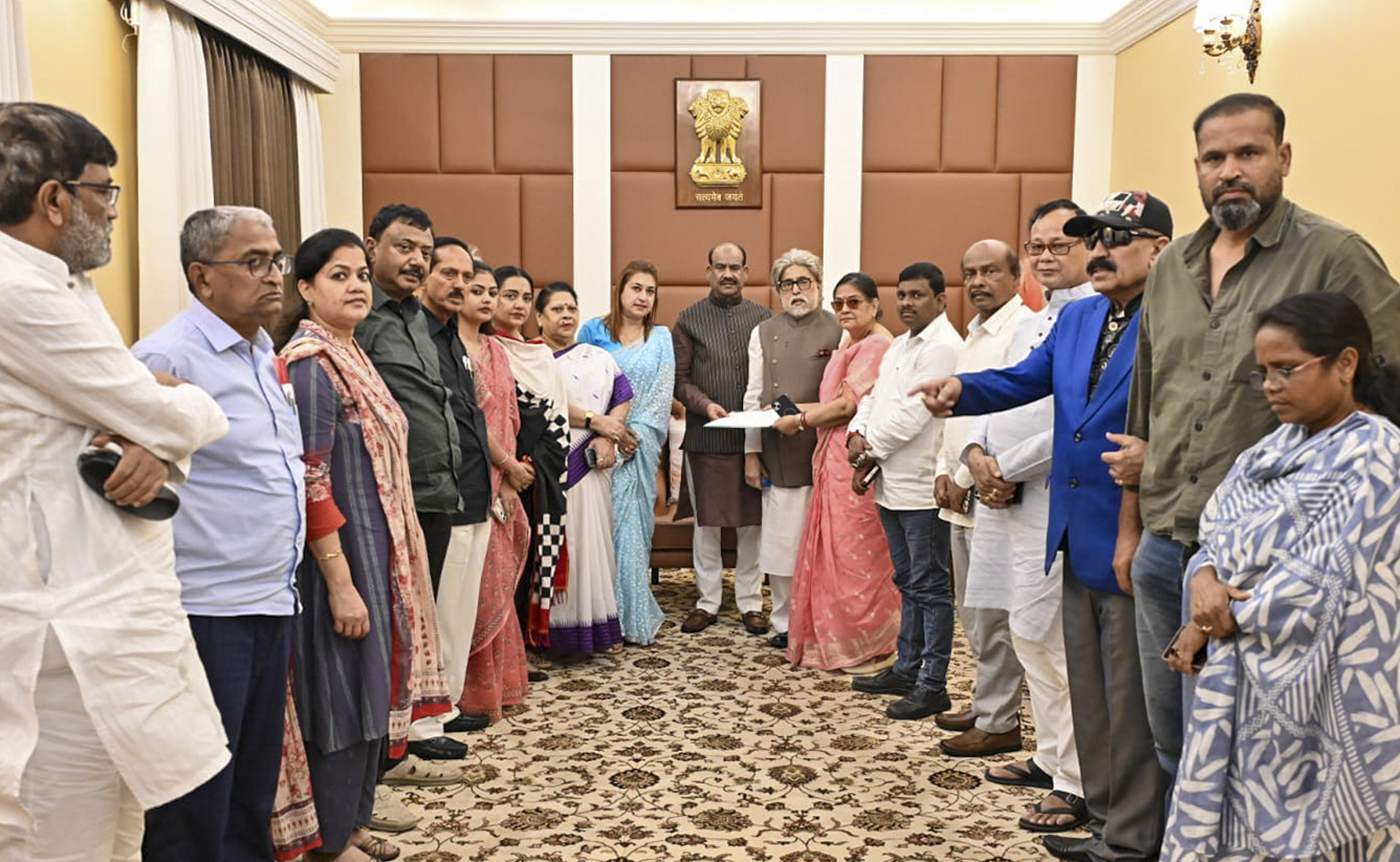
For the TMC rebels, obscurity was not a liability — it was a calculated strategy (PTI)
Kolkata, 15 June
When 20 rebel Trinamool Congress Lok Sabha MPs decided to abandon Mamata Banerjee's parliamentary fold, many expected them to take the familiar route travelled by the majority of defectors from various political parties across the country over the past decade -- join the BJP.
Instead,
they chose the Nationalist Citizens Party of India (NCPI), an obscure
Tripura-based registered unrecognised political party whose political
insignificance may well have been its biggest asset -- providing the rebels a
legally safer route out of the TMC while allowing the BJP to benefit from their
support without immediately inducting them.
The
decision of the rebel TMC faction to merge with the NCPI on Sunday may appear
puzzling at first, but political observers believe it's a careful move to
bypass legalities and, at the same time, make political calculations,
underpinning the biggest crisis to have hit the Trinamool Congress since its
formation in 1998.
For the
rebels, obscurity was not a liability. It was the strategy.
The choice
of NCPI appears to offer something the BJP could not -- a legally defensible
pathway out of the TMC while preserving their collective strength in
Parliament.
The
rebels' original plan was simpler: walk out of the TMC parliamentary party with
two-thirds MPs, constitute a separate group in Parliament and support the
BJP-led NDA, sources said.
But
parliamentary rules left little room for such an arrangement. Faced with that
legal hurdle, they turned to the NCPI, which offered what a standalone rebel
bloc could not: legitimacy.
A senior
rebel MP said the decision was driven by "practical considerations rather
than ideology".
"We
wanted to move collectively and create a political space outside Mamata
Banerjee's control without triggering unnecessary procedural hurdles. The NCPI
route offered a workable parliamentary solution," he said.
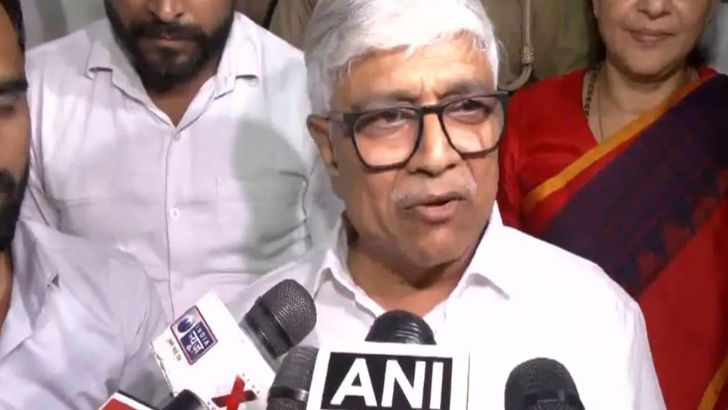
CPI(M)
leader Sujan Chakraborty believes the move reflects lessons drawn from the
parallel rebellion inside the West Bengal Assembly.
"This
is less of a political merger than a legal device," he said, arguing that
the Lok Sabha rebels seem keen to avoid the complications that followed the TMC
split in the Assembly.
The
contrast is striking. In the Assembly, dissident legislators sought to project
themselves as the authentic voice of the TMC. They elected their own leader and
challenged the authority of the party's official leadership. The result was
immediate litigation and competing claims over legitimacy.
The Lok
Sabha rebels have consciously stayed away from that battlefield. They are not
claiming to be the "real" TMC. Nor are they attempting to seize the
party's organisation, symbol or institutional structure.
Instead,
they appear to have accepted that the organisational TMC would remain with
Mamata Banerjee, while seeking to detach the parliamentary wing from her
control.
Senior TMC
leader Sougata Roy dismissed the significance of the development, insisting
that the party's strength remained intact.
"Some
MPs may leave, but the Trinamool Congress belongs to Mamata Banerjee. The
organisation, workers and people remain with her. Those who think they can
weaken the party by changing labels are mistaken," Roy told PTI.
That
distinction between parliamentary strength and organisational control could
prove crucial. Unlike many regional parties, the TMC is built around a highly
centralised structure. Control over the party machinery, committees, symbol and
finances remains firmly anchored in the leadership architecture created around
Mamata Banerjee.
For the
rebels, therefore, capturing the party may have been an impossible objective.
Securing control over a sizeable bloc of MPs was not.
The BJP's
role in the unfolding drama is equally revealing. The rebels' consultations
have largely revolved around senior BJP leaders, with several key meetings
taking place at the residence of Union minister Bhupender Yadav. Yet the BJP
has displayed little enthusiasm for an immediate mass induction. That restraint
reflects West Bengal's political realities.
Many among
the rebels spent years attacking the BJP and contesting elections against it.
While their support in Parliament strengthens the NDA's legislative position,
their wholesale induction could create friction within the BJP's West Bengal
unit, where local leaders have built their politics in opposition to them.
Congress
leader Adhir Ranjan Chowdhury sees the development as an exercise in
parliamentary pragmatism.
"The
BJP's immediate interest is numbers in Parliament, not necessarily expanding
its organisational family in West Bengal overnight," he said.
Political
analysts argue that the NCPI route solved two problems simultaneously -- it
gave the rebels a vehicle through which they could move collectively without
immediately confronting legal complications and allowed the BJP to secure
parliamentary support without forcing an awkward political merger in West
Bengal.
"It
is easier for the BJP to work with them as allies for now than absorb them
immediately into the organisation," political analyst Biswanath
Chakraborty said.
Unlike
previous high-profile exits of Mukul Roy and Suvendu Adhikari that were
individual in nature, the latest revolt involves a sizeable bloc of TMC MPs
acting collectively, challenging Mamata Banerjee's grip over the party.
Senior
advocate and TMC MP Kalyan Banerjee said, "Elected representatives may
leave, but control over the party organisation, symbol and funds remains
elsewhere. That makes any attempt to capture the party structure
extraordinarily difficult."
Whether
the arrangement survives beyond Parliament remains uncertain. But for the
rebels, the NCPI's greatest asset was not its strength, influence or electoral
appeal. It was the fact that it came with none of these.
In a political season defined by calculations of legality, recognition and survival, obscurity itself became a form of utility.
Share Now

Leave a Reply
Your email address will not be published. Required fields are marked *
Other Stories