New Delhi, December 17
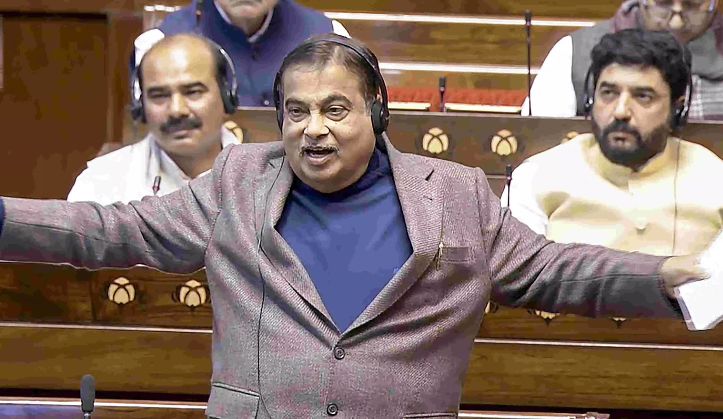
The multi-lane free flow (MLFF) toll system along with AI-driven highway management will be implemented across the country by the end of 2026, Union Road Transport and Highways Minister Nitin Gadkari informed the Rajya Sabha on Wednesday, asserting that the move will eliminate waiting time at toll plazas.
Replying to supplementary questions during Question Hour, Gadkari said the new system will be fully AI-based and will allow vehicles to pass through toll points without stopping, resulting in significant savings in fuel and time for commuters.
According to the minister, the introduction of MLFF technology is expected to save fuel worth about ₹1,500 crore annually and increase government revenue by around ₹6,000 crore, while also bringing an end to toll leakage.
The multi-lane free flow toll system is a very good facility. Earlier, vehicles had to stop at toll plazas, which would take three to 10 minutes. With FASTag, the time came down to about 60 seconds or less, and our income increased by nearly ₹5,000 crore,” Gadkari said in the House.
He explained that under the MLFF system, which will eventually replace FASTag, vehicles will be able to cross toll plazas at speeds of up to 80 kmph without stopping. “Our attempt is to make waiting time zero. This will be achieved through number plate recognition using satellite-based AI technology along with FASTag,” he added.
Reiterating the timeline, Gadkari said the government aims to complete the rollout of the new tolling mechanism 100 per cent by 2026. “Once this is implemented, toll theft will end, revenue will increase further and people will not have to stop at toll plazas at all, he said.
The minister said the adoption of AI-based toll collection and highway management will significantly reduce travel time and improve the overall commuting experience for highway users.
However, Gadkari clarified that the Centre’s responsibility is limited to national highways and does not extend to state highways or city roads. He noted that issues related to state or urban roads are often highlighted on social media as if they occurred on national highways.
We are trying to make the system transparent and corruption-free,” the minister told the House.



.jpg)