Is Bisleri Dunzo? Netizens give the raid a Reliance twist
Online speculation linked the inspection to Reliance's Campa Sure, but no evidence has emerged to substantiate the claims.
Salar News
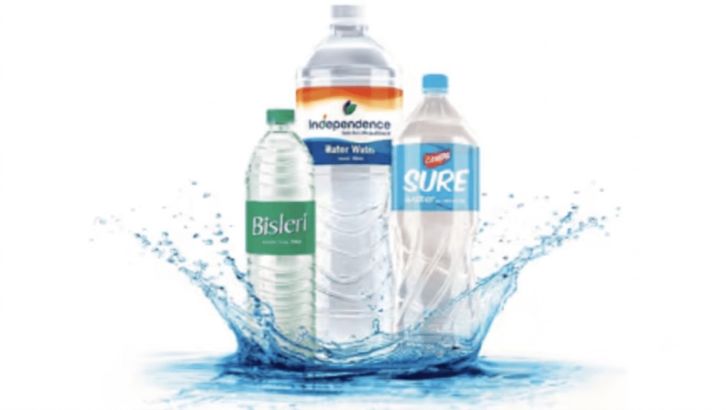
-
Bisleri says the FSSAI scrutiny concerned one batch manufactured in Goa in 2025, which is no longer in circulation (X)
Janani Durga
Bengaluru, 24 November
Bisleri is to water bottles what Xerox is to photocopies. Ask for water at a restaurant or railway station, and that is the brand everyone reaches for.
The household name is now in trouble over a routine Goa inspection a year ago. In September 2025, FSSAI collected six samples from Bisleri’s Goa plant.
Five passed, one failed, with 12 micrograms of bromate per litre against the permitted 10. Bisleri challenged it, and a referral lab found bromate within limits but detected PAHs, a potential carcinogen.
FSSAI barred that one batch. So, contrary to popular belief, Bisleri water is not carcinogenic throughout the country.
The internet was however abuzz with a theory they said was most plausible. They got Reliance into the picture. Reliance’s newest venture, Campa Sure, launched days after the sample was drawn.
A 250 ml bottle costs Rs 5 against Bisleri’s Rs 6, incidentally arriving right after GST on bottled water fell from 18 to 5 per cent.
Netizens pointed out that Bisleri is in hot waters because it is Reliance’s biggest competition. These claims are, however, unsubstantiated. If that is true, this would not be Reliance’s first corporate casualty.
Big Bazaar, Tata Docomo, Vodafone and recently Dunzo are other victims to the corporate giant. In 2023, Reliance invested $200 million in Dunzo for a 25.8 per cent stake, reportedly with veto powers.
In January 2025, Dunzo went dark. No wind-down, no farewells. The app and the website shut down. Bisleri on Tuesday said the FSSAI scrutiny related to just one batch manufactured in Goa in 2025, which is no longer in circulation.
All its 143 manufacturing plants remain operational and compliant with FSSAI regulations.
Share Now

Leave a Reply
Your email address will not be published. Required fields are marked *
Other Stories

.png)